The World's
Fighter Jets
Defined
In-depth specifications, operational analysis, and technical documentation for modern and historical fighter aircraft — from fourth-generation multirole platforms to fifth-generation stealth fighters.
Modern Fighter Jets
Detailed technical profiles of the world's most capable fighter aircraft, from air superiority specialists to advanced multirole platforms.
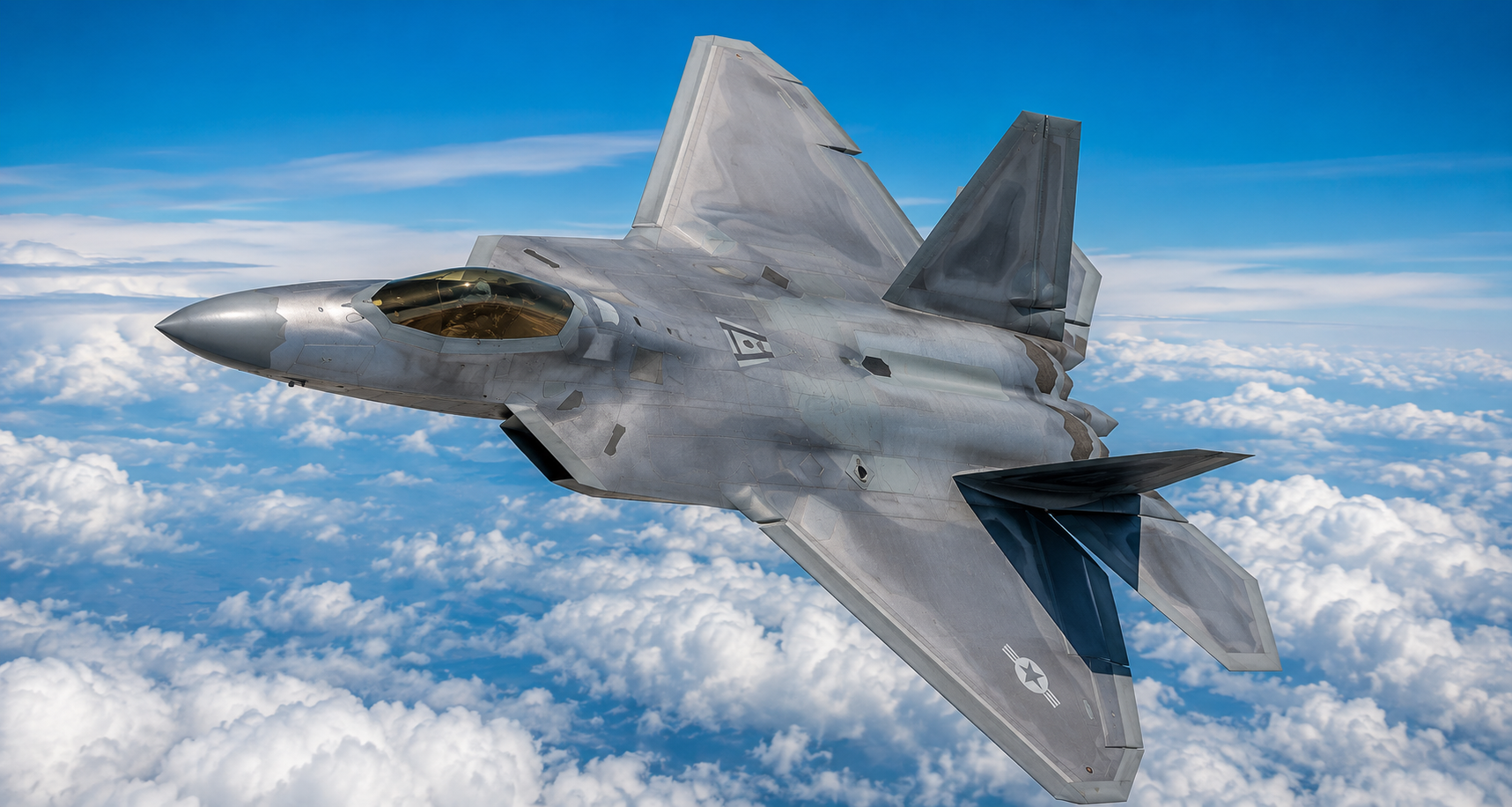
F-22 Raptor
Advanced Air Superiority Fighter
F-35 Lightning II
Multirole Stealth Fighter
F-16 Falcon
Lightweight Multirole Fighter
F-15 Eagle
Air Superiority / Strike Fighter
F/A-18 Super Hornet
Carrier-Based Multirole Fighter
Fighter Categories
Fighter aircraft are classified by their primary operational role. Understanding these categories provides essential context for evaluating capability, design philosophy, and doctrine.
Air Superiority Fighters
Designed primarily to establish control of airspace by defeating enemy aircraft in combat. These platforms prioritise maneuverability, speed, sensor integration, and long-range missile employment.
Browse Aircraft
Multirole Fighters
Capable of executing both air-to-air and air-to-ground missions within a single sortie. Modern multirole fighters form the backbone of most contemporary air forces due to their operational flexibility.
Browse Aircraft
Stealth Fighters
Fifth-generation platforms incorporating low observable technology through airframe shaping, radar-absorbent materials, and internal weapon carriage. Stealth reduces radar cross-section to give tactical advantage.
Browse Aircraft
Carrier-Based Fighters
Optimised for operations from aircraft carrier flight decks, requiring structural reinforcement for catapult launch and arrested recovery, folding wing sections, and corrosion-resistant systems.
Browse AircraftFighter Jet Comparisons
Side-by-side technical performance data to evaluate modern fighter aircraft across key operational parameters.
Aircraft Specifications
Authoritative technical data drawn from official documentation, manufacturer specifications, and verified open-source intelligence.
F-22 Raptor
Fighter Jet Generations
The evolution of jet-powered fighter aircraft from the early Cold War era to modern fifth-generation platforms.
Aviation Analysis
Editorial analysis, technical assessments, and operational reviews from the world of fighter aviation.
How Active Electronically Scanned Array Radar Transforms Modern Air Combat
AESA radar represents a fundamental shift in how fighter aircraft detect, track, and engage targets, enabling electronic warfare capabilities previously unavailable to tactical aircraft.
F-35 Block 4 Upgrade Programme: What Changes and Why It Matters
The Block 4 software and hardware upgrade substantially expands the F-35's weapons carriage, sensor fusion, and electronic warfare capability across all three variants.
Sixth-Generation Fighter Aircraft: GCAP vs NGAD Design Philosophy
The UK/Italy/Japan Global Combat Air Programme and the US Next Generation Air Dominance programme reflect differing national approaches to sixth-generation fighter requirements.
Fighter Aircraft Technology
Low Observable Airframe Design
Stealth airframes use carefully calculated surface angles, internal weapon bays, and radar-absorbent materials to minimise radar cross-section across threat frequency bands.
Sensor Fusion & Avionics
Fifth-generation fighters integrate data from multiple sensors — radar, infrared search and track, and electronic warfare systems — into a single coherent tactical picture for the pilot.
Supercruise Capability
The ability to sustain supersonic flight without afterburner extends mission radius and enables high-speed intercept profiles while reducing infrared and acoustic signatures.
Thrust Vectoring & Agility
Three-dimensional thrust vectoring nozzles allow fighters such as the F-22 and Su-57 to perform post-stall manoeuvres at angles of attack beyond conventional aerodynamic limits.
Fighter Aircraft Statistics
Profiles
Generations
Covered
Comparisons